Taiwan's PIF Presence: A Geopolitical Tightrope Walk Amidst Beijing's Influence
The intricate dance of international diplomacy often plays out on a global stage, but few arenas are as sensitive and strategically critical as the Pacific Islands Forum (PIF). Taiwan's confirmed participation in an upcoming major political gathering of Pacific island nations in Palau later this year marks a temporary reprieve, offering a glimpse into its persistent efforts to maintain a presence in the region. However, this immediate success is set against a backdrop of escalating pressure from Beijing, which is intent on diminishing Taiwan's role and ultimately preventing Taiwan's strategy for PIF engagement in any capacity in 2025. The question of how Taiwan navigates this complex geopolitical landscape, ensuring its voice is heard and its contributions valued, remains central to its regional strategy.
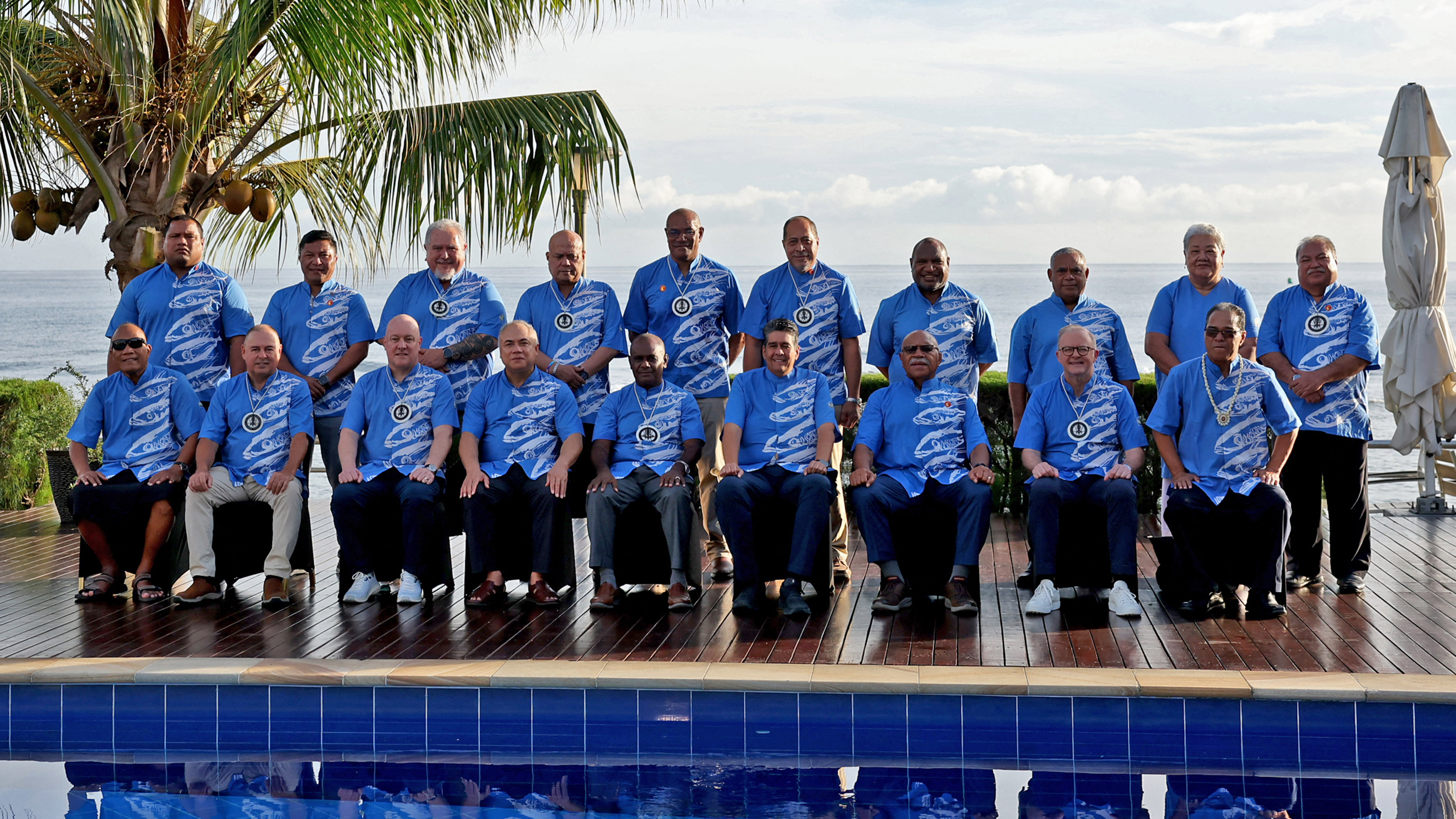
The Chinese Communist Party (CCP) has increasingly deployed aggressive tactics to isolate Taiwan on the international stage, and the PIF has become a significant battleground. At the 53rd Pacific Islands Forum in Tokyo, the CCP's shadow loomed large. Reports indicate a concerted effort, allegedly spearheaded by its proxy, the Solomon Islands, to remove Taiwan as an observing member and "development partner." While this motion was successfully pushed back by key allies like Australia, New Zealand, the Marshall Islands, Palau, and Tuvalu, Beijing's influence was still evident. The manipulation of Nauruan President and PIF Secretary-General Baron Waqa to excise all references to Taiwan from the closing ceremony report sent a clear message: Beijing seeks a future where Taiwan is effectively erased from the diplomatic narrative of the Pacific.
Beijing's Coercive Diplomacy vs. Taiwan's Democratic Value
The CCP's "wolf warrior diplomacy" is not confined to the PIF; it's a consistent strategy seen from the East China Sea to the Taiwan Strait and the South China Sea. This assertive approach, however, risks transforming Beijing into an international pariah rather than a respected leader. In stark contrast, Taiwan has consistently demonstrated the capabilities and values of its democratic governance, particularly during global crises. Its robust response to COVID-19, offering timely aid and demonstrating effective public health measures, garnered significant international goodwill and showcased its commitment to the global community.
While Beijing often leverages its economic might through "money diplomacy" to coerce compliance, Taiwan's engagement is rooted in shared democratic values, transparency, and genuine partnership. The attempts by the CCP to threaten and subdue PIF officials into deleting any mention of Taiwan highlight a fundamental difference in approach. Taiwan offers sustainable development, technological expertise, and humanitarian aid without the political strings often attached to Beijing's offerings. This contrast resonates with many Pacific Island nations, who value sovereignty and self-determination above all else. For Taiwan, securing its place and ensuring Taiwan's fight for regional presence is not just about political recognition; it's about fostering meaningful, long-term relationships based on mutual respect and shared prosperity.
Navigating the Murky Waters: Past Controversies and Future Hurdles
The path for Taiwan within Pacific regional networks has undeniably become rockier. The controversies surrounding the 53rd PIF Leaders Meeting, where Taiwan's Deputy Minister of Foreign Affairs Tien Chung-kwang was present, underscored the challenges. Reports of clashes between nations allied with China and Taiwan, and the apparent influence of China on the final communique, illustrate the precarious position Taiwan holds. A particularly telling incident involved the rapid publication of a PIF communique online, which initially included a reference to Taiwan, only to be swiftly replaced with a version that omitted it. This suggests a frantic behind-the-scenes effort to control the narrative and exclude Taiwan, indicating the immense pressure exerted by Beijing on the forum's processes.
With a diminished number of diplomatic allies in the region, Taiwan faces a significant uphill battle in maintaining its observer status and influence. Each instance of Beijing’s intervention, whether through proxies or direct pressure on the PIF secretariat, chips away at Taiwan's standing and creates an environment of uncertainty for its regional participation. The upcoming gathering in Palau, while a positive step for Taiwan, also serves as a stark reminder that its future engagement within the PIF is contingent upon overcoming these persistent and aggressive maneuvers by Beijing.
Charting a Resilient Course: Taiwan's Strategic Blueprint for PIF Engagement
In the face of relentless CCP pressure, Taiwan's government must adopt a dynamic and multi-faceted international cooperation strategy to safeguard its status and ensure its vital contributions to the Pacific. This blueprint requires not only resilience but also proactive engagement and strategic alliances.
Strengthening Alliances Through Shared Values
Taiwan's most potent defense against Beijing's isolationist agenda lies in forging closer ties with other democracies that share its values and strategic interests. Collaborating with partners like the US, Japan, and Australia through platforms such as the Global Cooperation and Training Framework (GCTF) is paramount. This framework enables Taiwan to collectively provide crucial aid to Pacific Island nations grappling with pressing economic development and climate change challenges. Practical tips for effective collaboration include:
- Joint Project Implementation: Instead of individual efforts, Taiwan can co-lead projects with democratic allies, amplifying impact and demonstrating a united front against coercive diplomacy.
- Capacity Building Initiatives: Focus on training programs that empower local communities in areas like disaster preparedness, renewable energy, and sustainable agriculture, leveraging Taiwan's technical expertise.
- Advocacy for Rules-Based Order: Continuously highlight the importance of international norms and the dangers of external interference in sovereign nations' decision-making processes.
Diversifying Cooperation and Demonstrating Indispensability
Beyond traditional aid, Taiwan should actively seek out diverse opportunities for international collaboration that align with the specific needs of Pacific Island nations. This includes engaging with initiatives like the Australia-led Pacific Policing Initiative, contributing to regional security and governance. Crucially, Taiwan should also integrate itself into the PIF's overarching "2050 Strategy for the Blue Pacific Continent," demonstrating its commitment to the region's long-term peace and prosperity.
Tips for diversifying engagement include:
- Niche Expertise Application: Taiwan excels in areas like aquaculture, ICT, and healthcare. Focusing on these niche areas can make Taiwan an indispensable partner for specific development goals.
- People-to-People Exchanges: Fostering cultural, educational, and sports exchanges can build deeper, more resilient bonds that transcend political pressures.
- Digital Connectivity Solutions: Leveraging Taiwan's technological prowess to help bridge the digital divide in the Pacific, promoting economic growth and access to information.
Safeguarding Sovereignty and International Space
To guarantee Taiwan's long-term survival and influence in the PIF, a resolute and multi-layered diplomatic strategy is essential. This means not only seeking strong support from democratic partner countries such as the US, Japan, and those in Europe, but also actively developing multilevel cooperation with regional powerhouses like Australia.
Actionable advice includes:
- Proactive Diplomacy: Regularly engaging with PIF members and their representatives, emphasizing Taiwan's consistent record of partnership and commitment to regional stability.
- Enhanced National Defense and Diplomacy: A strong defense posture provides the bedrock for confident diplomacy, while investing in diplomatic training ensures Taiwan's representatives are equipped to navigate complex international forums.
- Highlighting Mutual Benefits: Emphasize how Taiwan join PIF benefits not just Taiwan but contributes significantly to the collective resilience, economic development, and environmental sustainability of the entire Pacific region.
The Road Ahead: Securing Taiwan's Enduring Role in the Pacific
The battle for Taiwan's status within the Pacific Islands Forum is a microcosm of its broader struggle for international recognition and space. Beijing's relentless efforts to isolate Taiwan underscore the critical importance of a robust, proactive, and values-driven diplomatic strategy. Taiwan's ability to demonstrate its indispensable value through concrete cooperation, genuine partnerships, and a commitment to democratic principles will be its strongest asset.
By strengthening existing alliances, diversifying its cooperative initiatives, and resolutely safeguarding its international participation, Taiwan can carve out an enduring and significant role in the Pacific. The future of Taiwan's fight for regional presence in the PIF is not just about a seat at the table; it's about contributing to a peaceful, prosperous, and resilient Blue Pacific Continent, free from coercive influence.
Conclusion: Taiwan's journey to maintain its presence and influence within the Pacific Islands Forum is fraught with challenges, largely due to Beijing's aggressive diplomatic maneuvers. However, by strategically leveraging its democratic values, offering genuine development partnerships, and fostering strong alliances with like-minded nations, Taiwan can continue to demonstrate its vital role in the region. The commitment of Taiwan to the PIF is not merely about political survival; it is about contributing to a collective future of peace, prosperity, and self-determination for the Pacific Island nations.